The Brick Ranch- Where every corner tells your story.
Welcome to The Brick Ranch — a lifestyle hub for women navigating housing transitions with grace, style, and purpose. Whether you’re downsizing, aging in place, or simply reimagining your home, we’re here to help you create spaces that reflect who you are and what matters most.
Explore practical tools, inspiring stories, and thoughtful design ideas that honor memory, accessibility, and beauty.
Because every corner of your home should tell your story.
*TheBrickRanch.com contains affiliate links, meaning I get a commission- at no cost to you- if you decide to purchase products through my links, at no cost to you.*
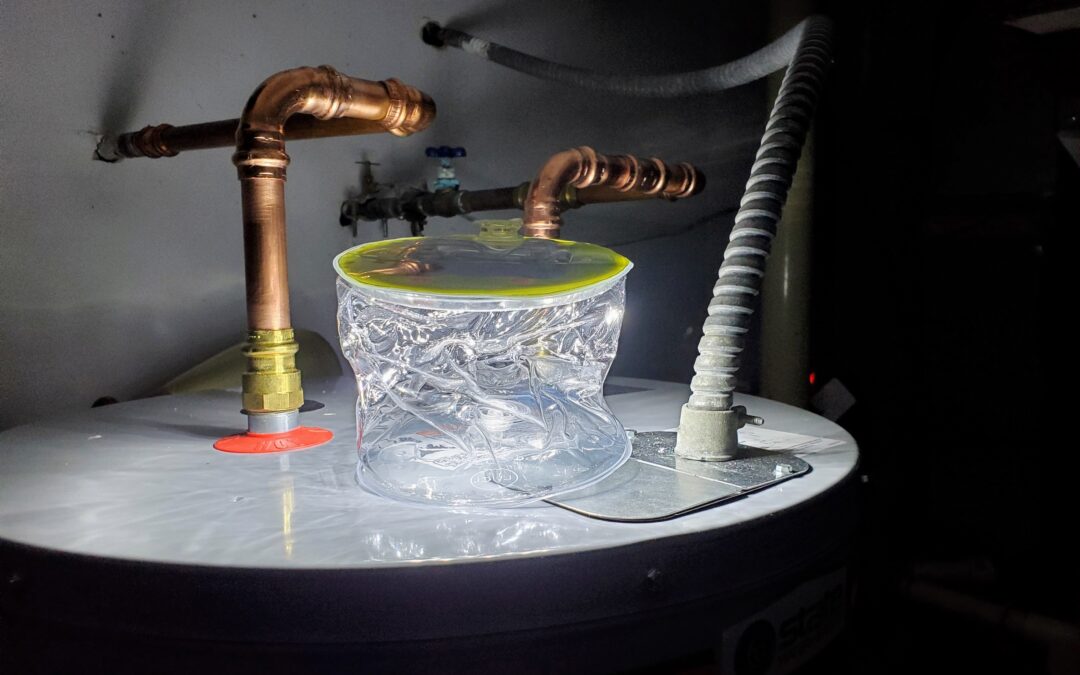
Power Outage in Huber Heights- Luci Inflatable Lantern to the Rescue
This page contains affiliate links, which means I could earn a commission if you decide to make a purchase through my links, at no cost to you. Power outages happen! We recently lost power for a few hours in the evening and it put our Emergency Preparedness Equipment...
Time Is Money When It Comes to Your Home
If you bought your home a number of years ago, chances are you have a lot of opportunities between your home equity and today’s low mortgage rates. Let’s connect to make sure you don’t miss out.
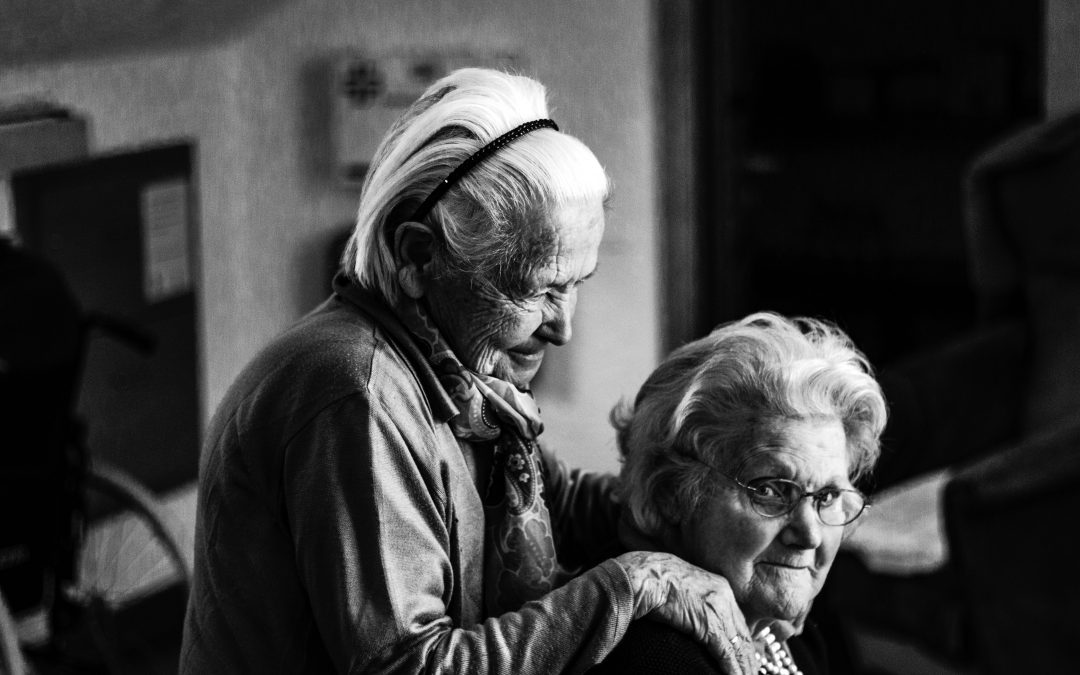
Finding LGBTQ-Friendly Senior Housing
A Place For Mom has excellent advice on how to find assisted living and senior housing for LGBTQ residents. This is a real concern. It’s not uncommon for someone who is a senior to have lived an open life. Why would they- why should they- go back to a life of hiding who they are?

6 Foundational Benefits of Homeownership
Buying a home in Huber Heights is also an investment in your financial future.
Net Worth: Homeownership builds your net worth. Today, the median household net worth of all homeowners is $254,900, while the median net worth of renters is only $6,270.
Financial Security: Equity, appreciation, and more predictable monthly housing expenses are huge financial benefits of owning a home. Homeownership is truly the best way to improve your long-term financial position.
The Economic Impact of Buying a Home
When you buy a home in Huber Heights, you're making an impact on our local economy. Let's connect today to explore your homebuying options together.

What Happens When Homeowners Leave Their Forbearance Plans?
According to the latest report from Black Knight, Inc., a well-respected provider of data and analytics for mortgage companies, 6.48 million households have entered a forbearance plan as a result of financial concerns brought on by the COVID-19 pandemic. Here’s...
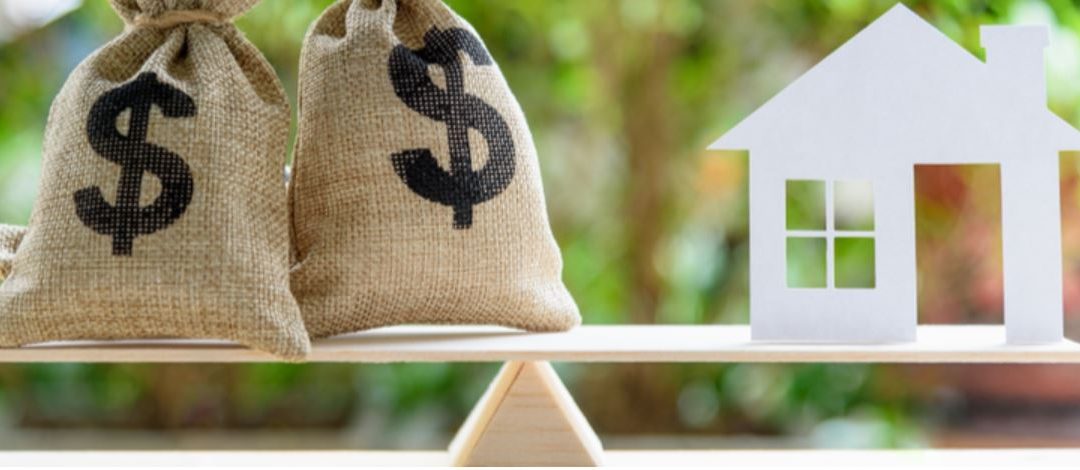
Avoid reverse mortgage shopping scams
As a Senior Real Estate Specialist, I have an interest in the unique real estate needs of seniors. Recently Cora Fume with the Consumer Protection Federal Bureau put together some helpful information on the rise in reverse mortgage scams.
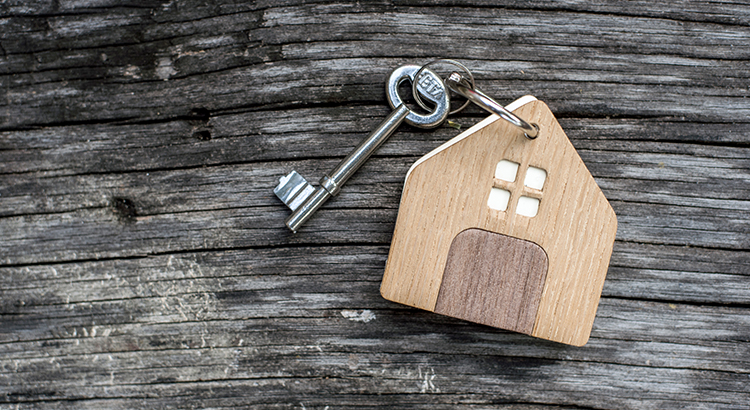
Owning a Home Can Be a Key to Building Wealth
As home values in Huber Heights continue to increase and you make payments toward your home loan, you’ll gain wealth through equity.
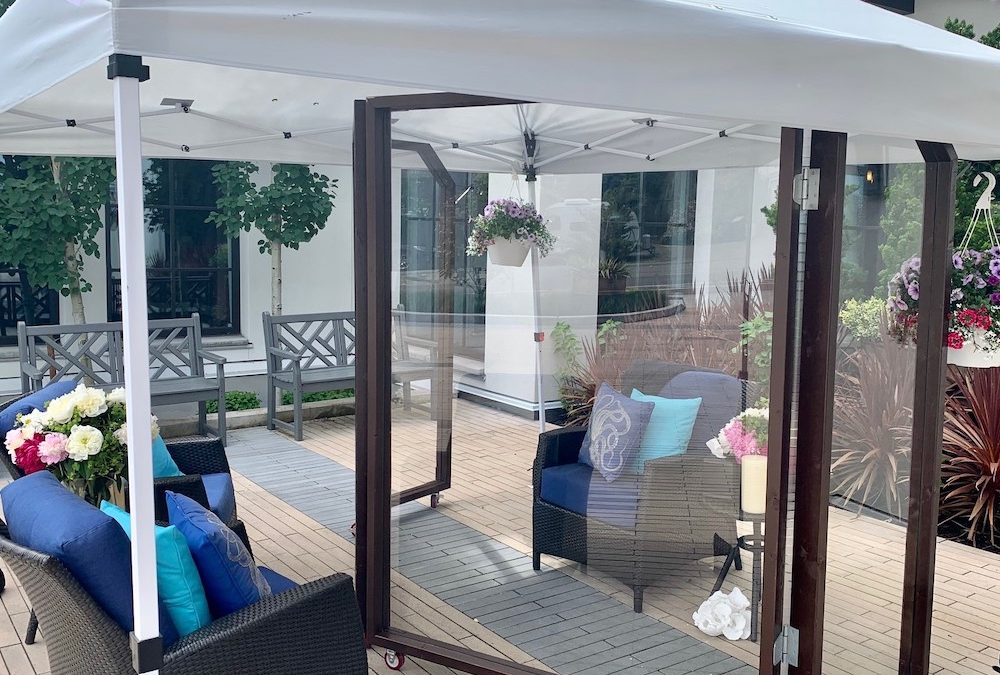
The Post-Covid Future of Senior Living
Do you have a covered porch or patio? You can create safe-distancing visitation spaces there. Can you put a temporary canopy up in a yard space? How about two separate screen houses? Is it time to add a three-season or Florida room? Socialization is so important for all of us, but particularly for our seniors. Get creative and brainstorm different options. There are solutions available to fit any budget.
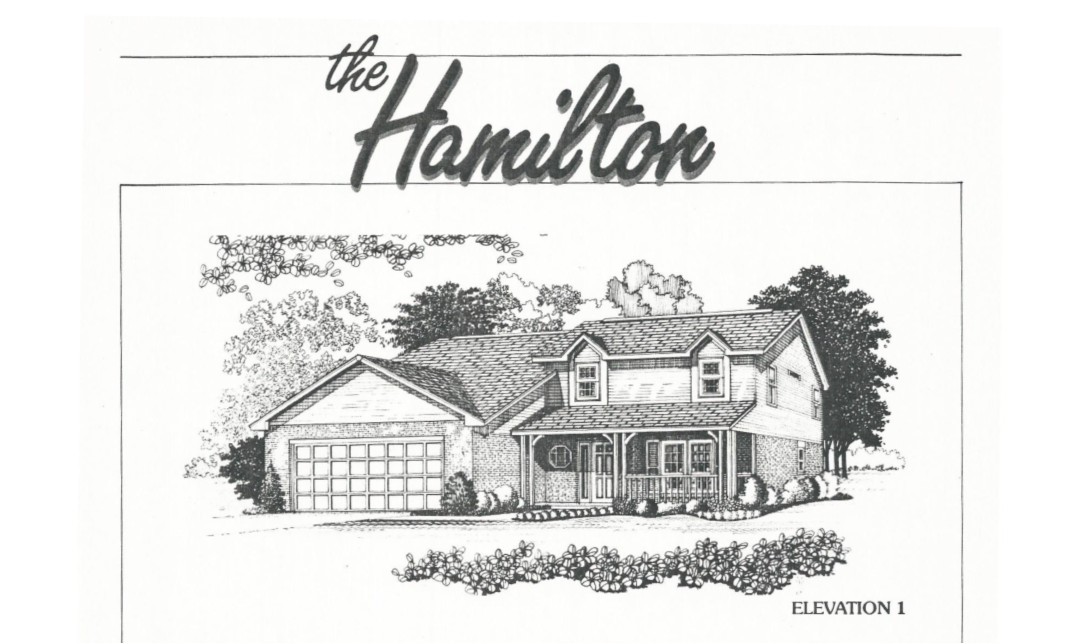
Huber Homes Floor Plans: The Hamilton
Huber Home Models: The Hamilton, 2325 square feet, 3 bedrooms, 3 baths.